
Balayage vs Ombré vs Shatush: the Real Differences and How to Choose
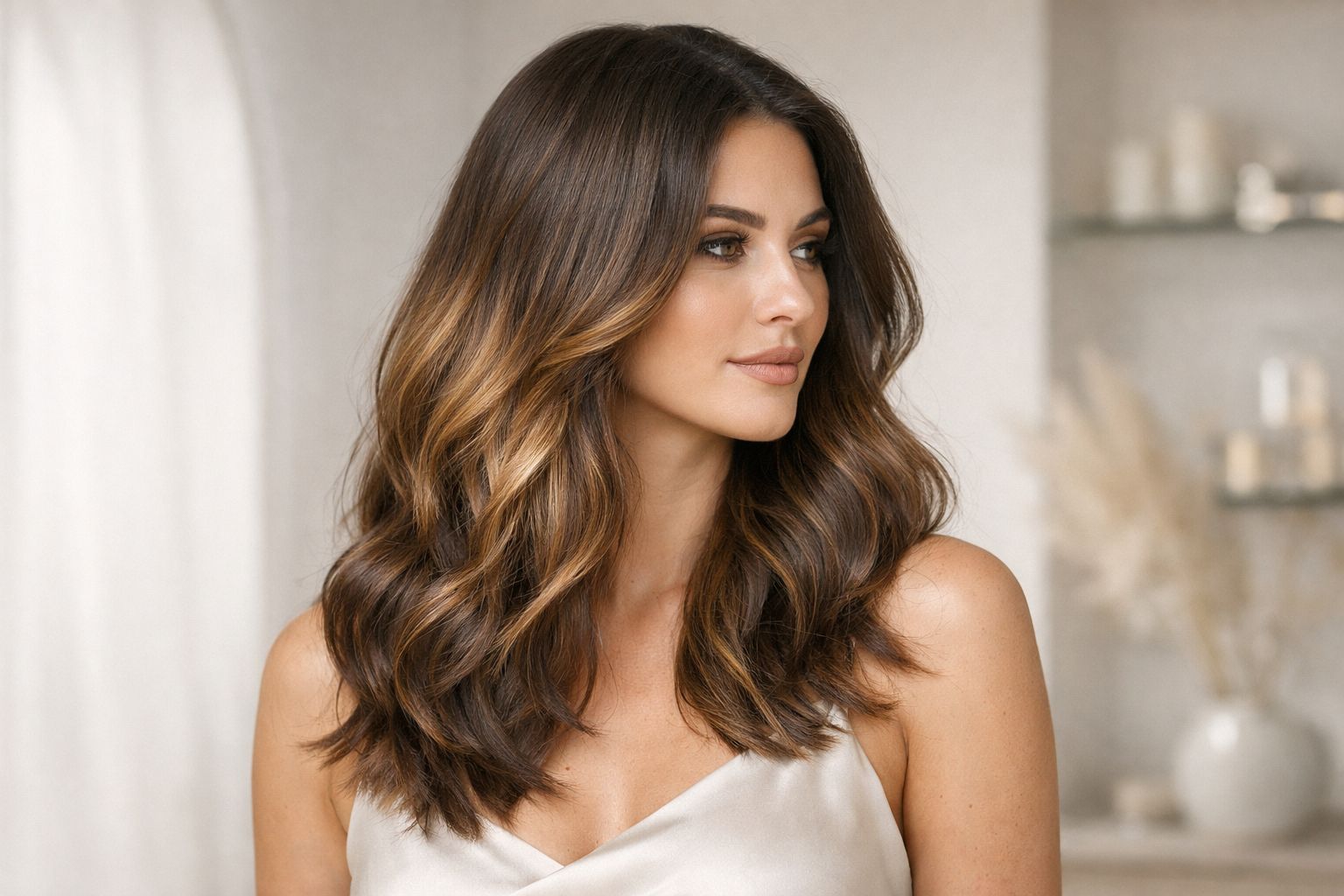
Balayage, ombré and shatush are often treated as if they were interchangeable, but in practice they lead to very different results. What changes is not just the technical label, but where the light begins, how much contrast you see, how softly the regrowth reads and how the colour behaves over time. Understanding that difference makes it easier to choose a technique that truly suits your hair instead of chasing a familiar but imprecise name.
If you need a fast way to think about it, this is the clearest distinction: balayage usually creates a softer, more tailored distribution of light, ombré creates a more visible difference between the upper section and the lengths, and shatush gives a diffused lift that does not automatically match balayage.
- Balayage: more flexible, more bespoke, often more seamless between the base and the lengths.
- Ombré: easier to read in terms of contrast, so it works better if you want a result that feels more visibly defined.
- Shatush: it can look delicate, but it still has to be judged against your starting base, length and undertone.
In other words, the right choice depends less on which name sounds best and more on how much light you want to see, how much contrast you are comfortable wearing, and how you want that colour to grow out in the weeks ahead.
Why balayage, ombré and shatush are so often confused
The confusion starts because outside a technical setting, these terms are often used to describe a visual impression rather than a precise method. If someone sees soft, luminous lightened pieces, they tend to call it balayage. If they notice lighter ends, they think of ombré. If the result looks airy and diffused, they call it shatush. That is where the misunderstanding begins: the words sound familiar, but they do not always describe the same kind of colour construction.
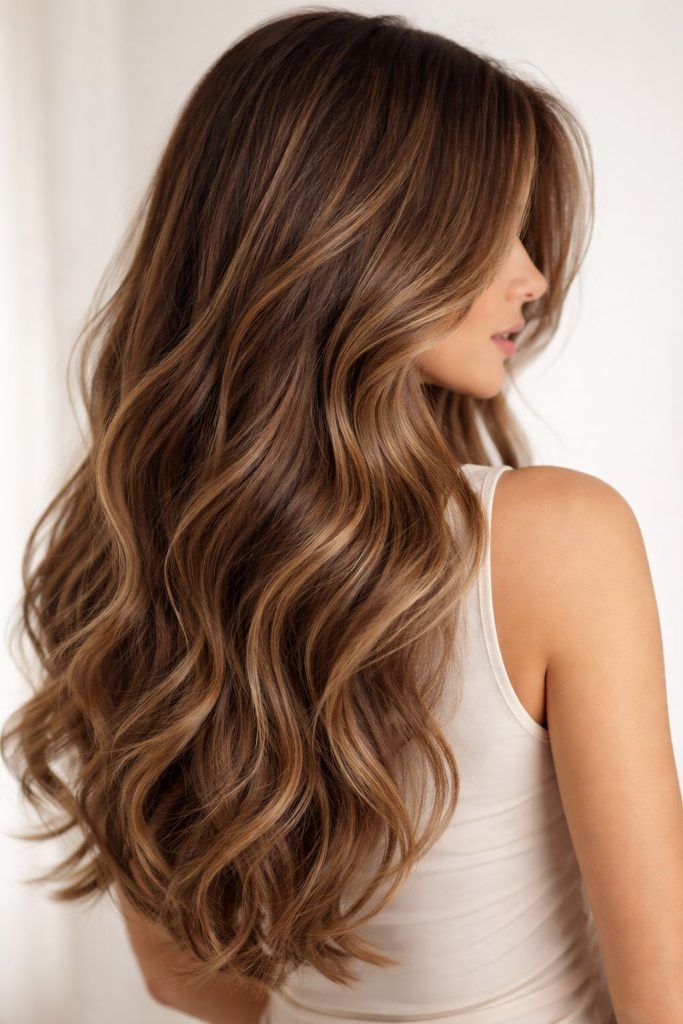
What makes it even more confusing is the simplified language often used around salon colour. Many requests begin with a saved photo or an image seen online, and the technique name becomes a shortcut. Someone says “I want balayage” when what they really mean is an elegant blend, or they use ombré to describe any look with lighter lengths. But balayage and ombré are not the same thing, and shatush is not automatically a synonym for a natural-looking result.
That is why, in the salon, the exact label matters less than people think unless it comes with a more precise request: how much light you want to see, where it should begin, how noticeable it should be, and how you want the regrowth to behave.
If you want to start with a clearer definition before comparing the techniques, it can also help to read what balayage is and who it suits. That makes it easier to understand why the word “balayage” is so often used as a generic label even when the desired result follows a different logic.
The Real Differences Between Balayage, Ombré and Shatush
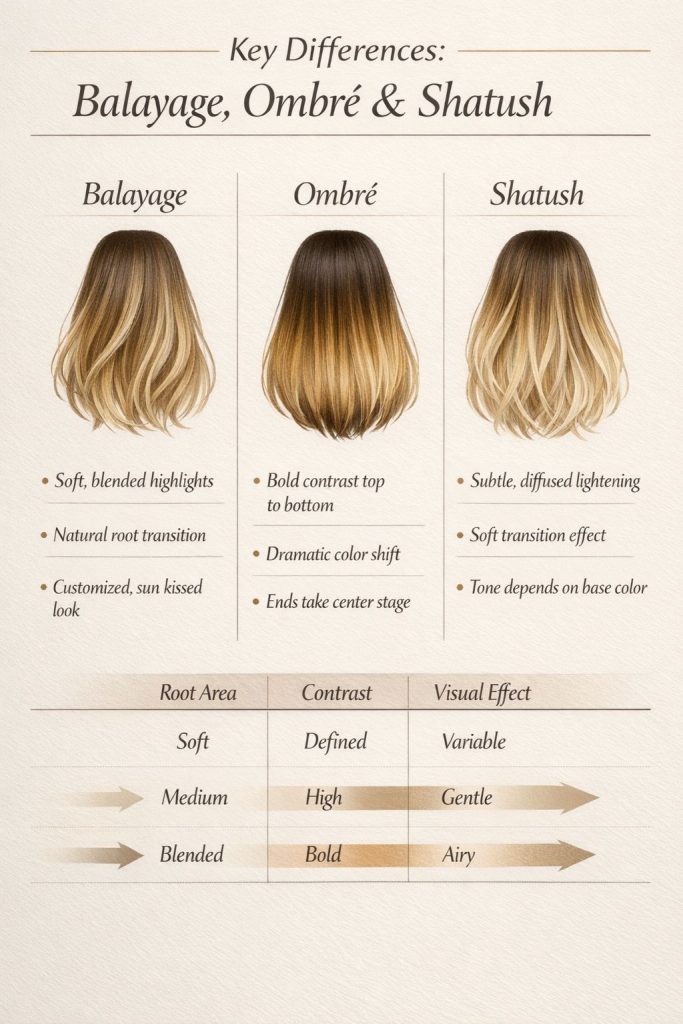
The difference between these techniques is not just how light the hair looks overall, but where the light is built and how the transition reads from the base through the mid-lengths to the ends. That is what really separates balayage, ombré and shatush: the distribution of the lightening, the level of contrast, and the way the final result is perceived.
Where the lightening sits and how it starts from the root
With balayage, the light is placed in a more customised way, usually keeping the root softer and working with the movement of the cut. Ombré, by contrast, creates a clearer difference between the upper part of the hair and the lower part: the base stays more present, while the lengths and especially the ends become more visibly lighter. Shatush may look close to balayage at first glance, but it does not automatically follow the same logic of lightening placement.
- Balayage: more distributed lightening, a less rigid visual read, and greater adaptability to the natural base and the shape of the cut.
- Ombré: easier-to-read contrast between top and bottom, with a gradual but more visible transition.
- Shatush: a softer, more diffused lift that can look delicate, but does not necessarily match the structure of balayage.
How much the contrast changes between base, mid-lengths and ends
If contrast is the deciding factor, balayage tends to work better when you want a more natural effect and a smoother sense of continuity through the hair. Ombré, on the other hand, more readily accepts a sharper visual break between the root area and the lighter section. That is why many people experience ombré as more defined, while balayage reads as softer and less overt.
Shatush can come close to balayage when the final effect stays soft, but it should not be treated as a synonym. The way the light sits on the lengths and the way the final colour reads can still be quite different. The useful question, then, is not which name sounds better, but which kind of lightening structure actually reflects the image you want.
How the Visual Result Changes: Softness, Contrast and Movement
Even when the general goal is simply “lighter hair,” the final image can vary a great deal. What matters is not only how much light you see, but how it moves through the hair: how soft the root remains, how continuous the transition feels, and whether the contrast reads as subtle or deliberate.
With balayage, the light usually moves more fluidly through the cut, which is why the result often feels more natural and airy. With ombré, the upper section stays more solid and the lightening becomes easier to read through the mid-lengths and ends, creating a more clearly stated result. Shatush can stay soft and diffused, but it does not always deliver the same continuous flow of light that a well-built balayage can create.
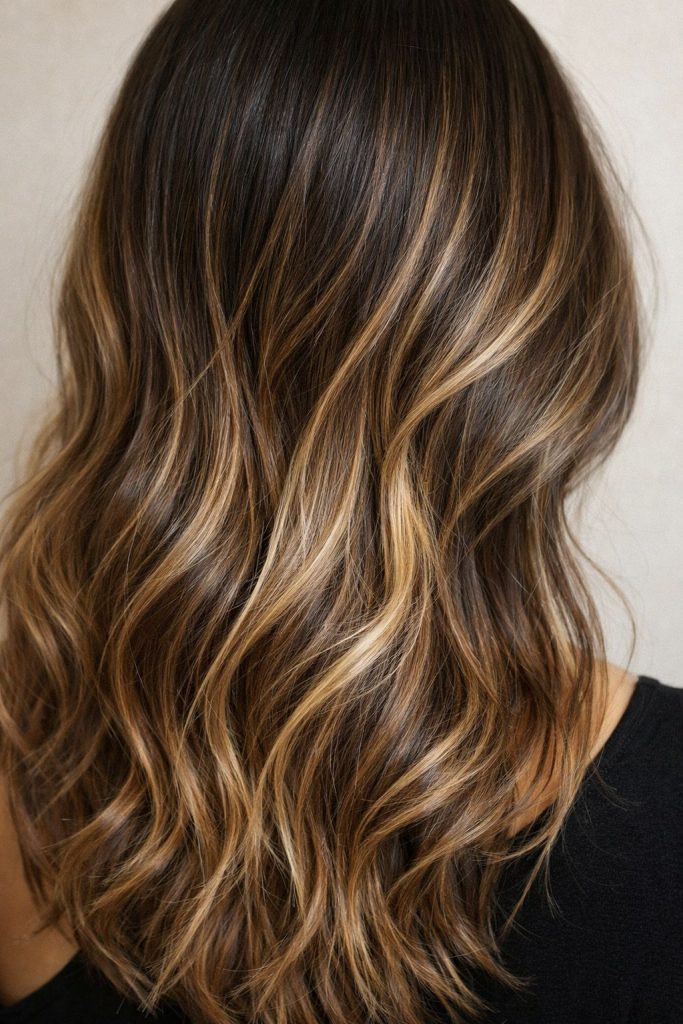
That is why the real question is not which technique is “prettier,” but which image you want to wear every day. If you want light that feels more blended and a gradual transition, balayage will often feel more convincing; if you want a stronger contrast, ombré speaks a different visual language. Shatush remains interesting when you want lift without making the result feel too rigid.
How to Choose Based on Your Starting Base, Length and Aesthetic Goal
The right choice does not come from the most familiar name, but from the balance between your starting base, your hair length and the result you actually want to wear. That is where a lot of decisions become clearer: a soft balayage on a brunette base does not answer the same need as a more defined ombré on longer hair, and a light shatush will not behave the same way on every cut or every texture.
| Scenario | Most suitable technique | Why it may work | Practical note |
|---|---|---|---|
| You want soft light and a less defined root area | Balayage | The lightening tends to be distributed more seamlessly and read more naturally | To be confirmed during the consultation based on your starting base |
| You want a clearer contrast between the upper section and the lengths | Ombré | The difference between top and bottom usually reads more clearly | The stronger the contrast, the more visible the upkeep may become |
| You have dark hair and want to avoid a result that feels too harsh | Balayage | It often allows for a more controlled and tailored placement of light | The final undertone is to be confirmed |
| You want a softer lift without an overly graphic effect | Shatush | It can create a lighter-looking overall impression | It should be assessed carefully if there is previous colour work |
| You have medium or long hair and want movement through the colour | Balayage | The length gives more room to build a believable and fluid blend | The final result also depends on the cut and texture |
| You want the colour to stand out immediately | Ombré | The result tends to be more visibly defined and intentional | It should be balanced carefully if you do not want too sharp a contrast |
| You are starting from a saved reference photo but are unsure how it translates to your hair | To be confirmed | The right choice depends on your base, density, length and aesthetic goal | Bring useful reference photos to the consultation |
Before deciding, it helps to look at a few very practical criteria:
- Starting base: on darker bases, contrast, undertone and how readable the final result feels can shift more quickly.
- Actual length: the more space there is between the root and the ends, the easier it is to build a believable blend.
- Aesthetic goal: some people want diffuse light and movement; others want a more obvious difference between the upper section and the lengths.
- Reference image: a photo can help, but it has to be read together with density, texture and colour history.
When the starting base really changes the choice
On dark hair, for example, the question is not just “balayage or shatush,” but how much difference you truly want to see. Balayage can feel more coherent when you want light placed elegantly with a softer transition; ombré can make more sense if you want the contrast to read more clearly. Shatush becomes relevant when the goal is a more diffused lift, but it still has to be interpreted in light of the natural depth and undertone that may emerge during the lightening process.
How much length matters in creating a believable blend
Length is not a secondary detail; it is the space that allows the light to develop properly. On medium or longer hair, balayage often has more room to create continuity and movement, while ombré uses that length to make the contrast easier to read. On shorter hair, the choice has to be even more precise, because a result that feels too graphic can compress the look instead of refining it.
When Balayage Is the Most Coherent Choice
Balayage becomes the most coherent choice when you are not simply looking for lighter hair, but for light that feels measured, continuous and personalised. It works particularly well when you want to avoid a result that feels too rigid, when you prefer a softer root area, and when the colour should support the cut rather than sit on top of it.
That approach becomes even more convincing when you are not after an obvious separation, but a lightening pattern that follows the natural movement of the hair and leaves room for careful light placement. In cases like these, it often makes sense to choose balayage when you want a more bespoke result, calibrated to your starting base, your length and the way you actually wear your hair every day.
From a technical point of view, balayage allows a wider degree of personalisation than visually sharper options. It changes how the light is distributed, it changes the level of lift you choose to reach, and it changes the balance between naturalness and definition. That is why it often makes sense when you want to brighten the hair without turning the whole look into something overly contrast-driven.
When Ombré or Shatush May Be Better Suited to the Result You Want
Saying that balayage is often refined does not mean it is always the most coherent answer. There are cases where ombré or shatush interpret the visual goal more accurately. If you want the difference between the upper section and the lengths to read more clearly, ombré may make more sense: it accepts a more pronounced contrast, makes lighter ends more central, and creates a result that does not try to disappear into the hair.
Shatush works within a different logic. It can be more suitable when you do not want an obvious break or a more graphic look, but a softer, more diffused lift overall. That is also why it is so often confused with balayage: both can look soft, but they do not tell the story of light in the same way. Balayage usually distributes brightness with more continuity and control, while shatush may feel more aligned with someone who wants a lighter-looking effect without so much visible structure.
In practical terms, ombré is more coherent if you want the colour to be clearly noticeable and the separation between top and bottom to read cleanly. Shatush may work better if the aim is to lift the hair without making it look too intentionally constructed.
Regrowth, Gloss and Upkeep: What Really Changes Over Time
The difference between these techniques does not show itself only when you first leave the salon, but especially in the weeks that follow. That is when the quality of the regrowth, the stability of the undertone and the real level of commitment required by tone maintenance become visible. For anyone trying to make a more thoughtful decision, it also helps to look at how long balayage lasts and how to maintain it.
Over time, balayage often grows out more softly on a visual level because the transition into the base stays less rigid; that still does not remove upkeep, and a gloss or refresh may still be needed to keep the tone clean and coherent. Ombré can require more visual attention when the original contrast is strong: if the lengths lose brightness or the undertone shifts, the distance between the upper part and the lower part becomes more obvious, and the visual longevity of the result can feel less even. Shatush, meanwhile, is often perceived as lighter to manage, but it should not be idealised: if warm undertones emerge or the colour loses harmony, the soft effect can feel less refined.
That is why calling any of these techniques “no-maintenance” is misleading. What really exists is a more or less manageable routine depending on how the lightening was built and how much contrast you chose to wear.
The Most Common Mistakes That Lead to Choosing the Wrong Technique
The most common mistake is not choosing “badly” in the abstract, but starting with the name of the technique instead of the result you want. That is where many unrealistic expectations begin: someone asks for balayage because it is the most familiar term, mentions shatush because it sounds softer, or thinks of ombré without really wanting that much contrast.

When a reference photo creates unrealistic expectations
A misleading photo is not simply a beautiful photo that happens to be unhelpful. It is an image that ignores your base, density, actual length and previous colour history. A lightening result seen online may look soft and natural on a lighter base, yet appear much more obvious on dark hair or on a different length altogether. That is why a reference image should be read as visual direction, not as a promise of exact replication.
Another common mistake is underestimating previous colour work. When the hair already has a technical history, the way light is distributed and the undertone that emerges can change a great deal. Even a project meant to stay elegant can turn into a result that feels too rigid if the lightening is pushed beyond what is coherent for the base or the structure of the cut.
To avoid that kind of mistake, it helps to arrive at the consultation with language that is more precise and less trend-driven. Instead of fixating on a technical name used too loosely, it is more useful to explain whether you want a softer or more defined root, more diffused or more readable light, a flexible maintenance routine or a more noticeable effect.
If You Are Undecided, What Makes the Most Sense Before Booking
If, after reading this comparison, your ideas feel clearer but not yet final, that is completely normal. Between balayage, ombré and shatush, the right decision rarely comes from a name on its own. It takes shape when you bring together your aesthetic goal, your starting base, your actual length and the way you want to manage the colour in the weeks ahead.
Before booking, the most useful step is not to look for another label, but to go into the consultation with more precise questions. Do you want a softer root or a clearer difference? Are you looking for diffused light or more visible contrast? Do you care mainly about the first-day effect, or also about how it will grow out? To arrive at that stage with clearer priorities, it can also help to look at how to prepare for the consultation.
Once those questions are clear, deciding between balayage and shatush, or understanding whether ombré is truly the right direction, becomes much easier. Not because one technique is perfect in absolute terms, but because you stop chasing a name and start building a result that is coherent with your hair and with what you want to see in the mirror.